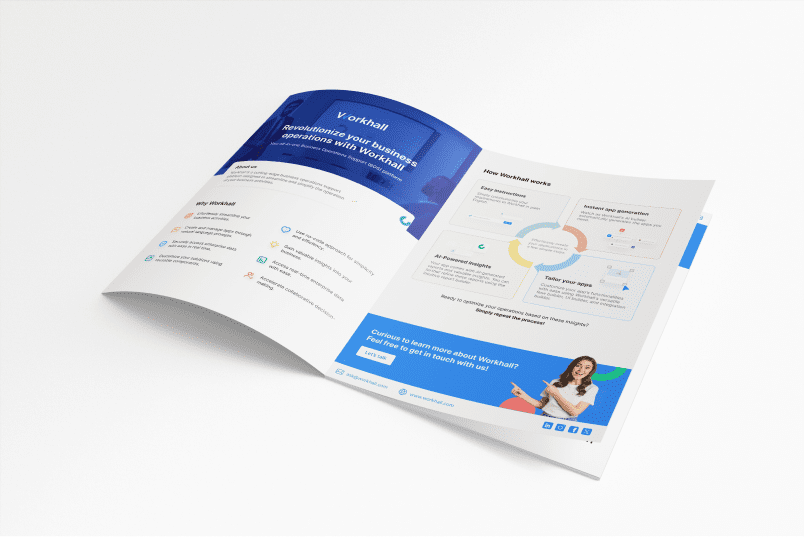
Introduction to brochures
They are typically folded into two or three panels and contain information such as logo, contact information, and a brief overview of its offerings. Brochures can be distributed at trade shows, events, and in-store locations. They can also be mailed directly to potential customers.
Brochures play an important role in corporate companies for a number of reasons.
- They provide a tangible and memorable way to communicate information. Brochures can be held in someone's hands and flipped through at their own pace. This makes them more likely to be remembered than digital marketing materials, such as emails and social media posts.
- They can be used to target specific audiences. Brochures can be customised to appeal to specific demographics or interests. This allows businesses to reach the right people with the right message.
- They can be used to generate leads. Brochures can include a call to action, such as a URL or phone number, that encourages people to learn more about the company or its offerings. This can help businesses to generate leads and convert them into customers.
Significance of brochures
- Comprehensive Information: Brochures provide a comprehensive platform to communicate in-depth information, making them ideal for presenting a full picture of the company's offerings and value proposition.
- Tangible Representation: They offer a tangible, physical representation of the identity and offerings, which can leave a more lasting impression compared to digital marketing materials.
- Versatility: Brochures come in various formats, such as bi-fold, tri-fold, and booklets, making them versatile marketing tools suitable for different occasions and objectives.
- Personal Touch: Handing out brochures in face-to-face interactions or events can create a personal touch, which can be invaluable in relationship-building.
- Educational Aid: Brochures make it easier for customers and clients to understand complex information, which can be especially useful in industries with technical or intricate products and services.
- Promotion and Engagement: They actively engage customers and clients, fostering interest and encouraging them to explore the company's offerings further.
- Visibility: Brochures are a cost-effective way to increase the company's visibility and reach a broader audience, particularly at events, trade shows, or distributed in high-traffic areas.
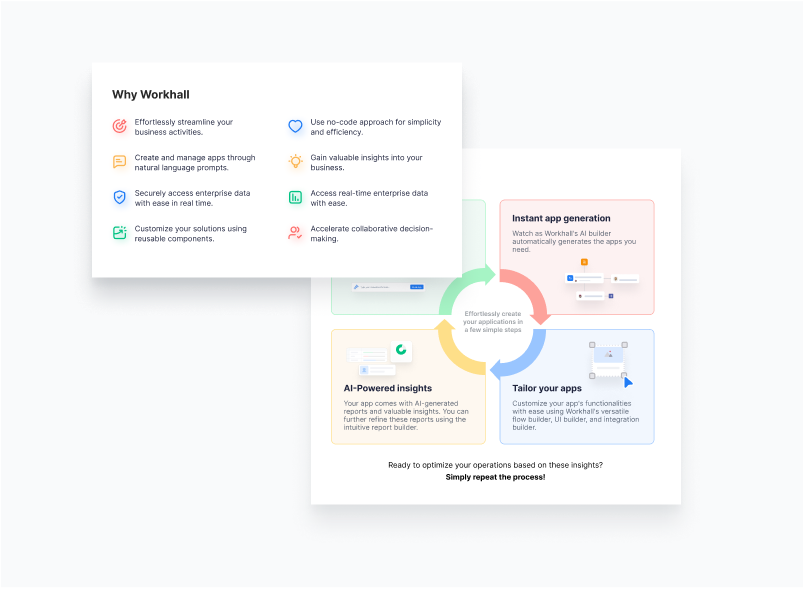
Guidelines for Brochure
Do’s:
- Write clear and concise copy. The text on your brochure should be easy to read and understand. Avoid using jargon or technical terms.
- Use high-quality images and graphics. Visuals can make your brochure more engaging and visually appealing.
- Include a call to action. Tell people what you want them to do after reading your brochure. Do you want them to visit your website? Call you for a consultation? Sign up for your newsletter?
- Make sure your brochure is consistent with your overall branding. Use the same logo, colors, and fonts as used on your website and other marketing materials.
- Proofread your brochure carefully before printing it. Make sure there are no errors in grammar or spelling.
Don'ts:
- Don't overload your brochure with information. Keep your brochure focused on the most important information about your company or its offerings.
- Don't use too much text. Your brochure should be visually appealing, not text-heavy.
- Don't use low-quality paper or printing. This will make your brochure look unprofessional.
- Don't forget to include your contact information. Make it easy for people to get in touch with you if they have any questions or are interested in learning more.
- Don't use your brochure for personal communications. Brochures are a marketing tool, so use them to promote your business, not yourself.